May 22, 2026
Jennifer Leigh Parker on Her Summer Travel Playbook

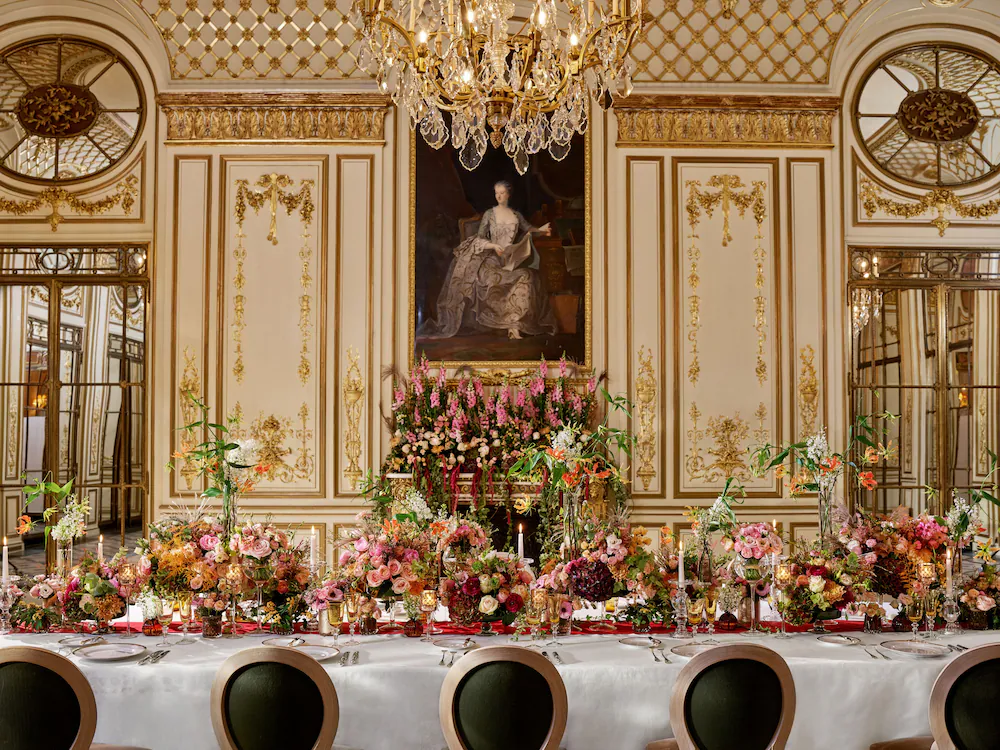
I like to tell people that someday I’m going to be that little old lady, bedecked with jewels, wearing an exotic turban, swathed in a kaftan, and living out my senior years in a stunning hotel. You know the one. She’s a duchess or an aging movie star, a mysterious figure with a puzzling past, but what matters is she’s happiest ensconced in the lavish surroundings of a suite with a view and room service, a well informed concierge, and maitre d’ that always saves her table.
You see, I’ve adored hotels since childhood, craved them, obsessed over them, found them more comfortable than home. I didn’t play house. I played hotel. My parents, passionate, peripatetic travelers took us around the world. They cherished hotels, too. Their contagious, hunger for new experiences and curiosity left a mark. To whit, I was the kid who rushed into a hotel with the glee of Goldilocks to try out the bed, chairs, bath tub and amenities.
I even looked forward to roadside motels where we bunked during cross-country road trips. In the Route 66-era, most hotels and motels were family-owned and quirky. I still feel nostalgia for those days. It was a time when even a Holiday Inn actually brimmed with personality. State-of-the-art (for that era) rooms boasted such things as logo-embossed stationery and location specific postcards—as well as name-engraved ashtrays and matches—can you imagine?—slippers, robes and more. (This may have been the precursor to today’s boutique hotel.) I’m certain that the “free”stationery, whether at a five star haven in Europe, a beach resort in the Caribbean or a funky lodge with tee-pee-shaped suites in the Arizona desert made me a travel writer. Wherever we were, I’d forego the pool with my family to sit at the room’s desk using the hotel’s entire trove of stationery to write letters and postcards. Friends and family were tortured with my assiduously documented accounts of our journeys.
It’s simple really. I want a hotel to fully realize its vision, to be itself, to embrace hospitality not as a job, but as a passion. There’s no one recipe that leads to the ideal hotel. That’s because hotels are as unique as human beings, and as guests, we experience them subjectively. For example, I’m terribly disappointed if I don’t have a bath tub; I’d rather have a closet than the presidential suite as long as I can soak in a bubbly brew. But holistically, a hotel can be old-school fancy, edgy artsy, spare but sleek, large, diminutive, new-built or historic and fully satisfy the discerning aficionado. It’s about being true to itself, reflecting its location without overdoing it, being clear about what it offers (and what it offers doesn’t have to be everything) and pampering without being obsequious. I like hotels that take a bit of a chance, that unapologetically create a haven based on what they like themselves, not just what they think will sell. It’s a fine line, of course, but exquisite places know it isn’t their job to please everyone. I love how family-owned Villa Serbelloni on Lake Como makes the beds with locally-made linen sheets (sometimes the American guests complain not understanding the ultimate luxury of this amenity) or how family-owned Borgo Santo Pietro in Tuscany doesn’t have a conventional gym, but offers an outdoor parcourse, scores of walking trails and yoga classes.
One of my favorite things to do is return to a hotel after a long hiatus. Recently, I’ve reappeared at some beloved icons after an absence of two decades. It’s a delight to see how they’ve evolved and stayed the same at once. It’s a gift to relive what stole my heart the first time, and to see what attracts me as the hotel and I have aged together. I’m just back from Le Meurice in Paris where I’ve stayed many times, beginning in childhood. Salvador Dali lived here on and off for three decades, and though this was France’s first “Palace” hotel, the legendary hotspot enjoys expressing itself artistically, melding the past with the present, gild and marble currently reframed through the eyes of avant garde designer Philippe Starck and his daughter, Ava.
There’s no normal or ordinary day in a hotel for me. I’m not afraid to admit that I’ve checked into some of the best hotels in the world and never left the premises. That can only happen in a hotel that ensures you feel rooted in the destination, of course—but I’ve done it around the globe from Paris to Bali, from Peru to Japan. Sometimes the cosseting hotel is what you seek. It’s like a destination within a destination. Hotels aren’t just for sleeping. I’ll always look askance at anyone who says that the hotel or room doesn’t matter. Your hotel reigns as the fount of your trip. It’s an extension of whatever you’re doing no matter how exciting, including African safaris, trips to China to see the pandas, rambles in Norway to gaze at the Northern Lights or treks through a North American national park.
What worries me about the industry right now is that brands seem to be growing too fast. They’re gluttonous as they burgeon, and the result feels like so much homogeneity. Add in that prices have risen astronomically since Covid, which limits wanderlusters with a penchant for frequent travel. A stunning hotel should not be only for special celebrations or once-in-a-lifetime sojourns; it shouldn’t just be for the wealthy and entitled; and it shouldn’t be a soulless place that feels predictably like all the others whether in Mexico or Morocco.
Last week, I was at Coworth Park, a Dorchester Collection hotel that deftly evokes the English country house adventure, just an hour from London near Windsor Castle. With an original, redone manor house, gardens galore, a Michelin-starred restaurant (Woven) that won’t be forgotten and is eminently worth the price of a long flight across the pond, Coworth Park is the only English country house hotel with polo fields.
Though I write about most places I visit and journal about all things regularly, I keep so much in my head. Safara provides an entertaining and efficient way to keep track of where I’ve been online, and where I want to return or travel to later. It’s an exercise in hotel mindfulness. I rarely stop to look back and recollect and the process of creating my Stayed List (which though vast is not anywhere near complete) provided a wealth of treasured memories. You should try it.


.png)